Guest Blogger Tutorials
![More Awesome Git Aliases]()
More Awesome Git Aliases
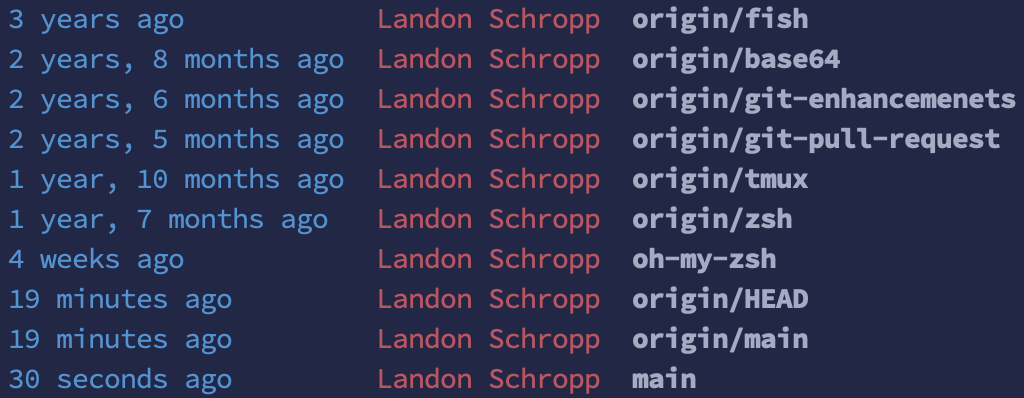
In the last article in this series, Awesome Git Aliases, we took a look at some awesome aliases for Git. However, the true power of Git aliases comes from writing custom scripts. These allow you to build Git commands that can do anything you can...
![GraphQL Editor – The Journey from Initial Release to Version 5.0]()
GraphQL Editor – The Journey from Initial Release to Version 5.0
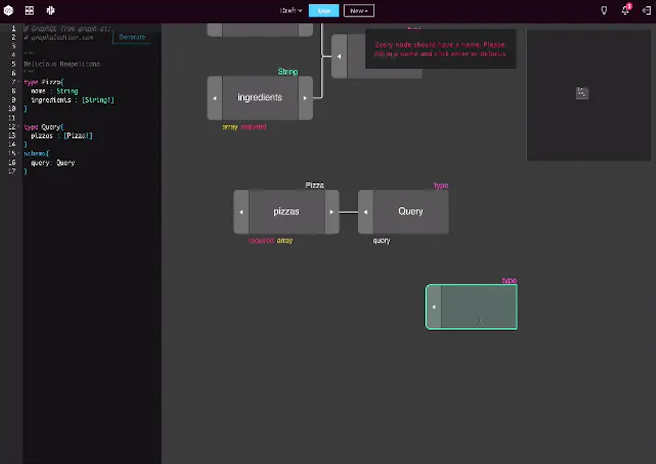
From the very beginning of our adventure with GraphQL, we were impressed by how great its community is. The amount of content, libraries and great tools generated by GraphQL users amazed us from the very start. The more time we spent working with GraphQL the more...


![Awesome Git Aliases]()
Awesome Git Aliases
Git is an amazingly powerful tool. It can keep track of all the code you write, let you organize your work into different branches, help you seamlessly work with other developers, and even let you time travel and make changes.But wouldn't it be awesome if Git...
![How Hacker News Crushed David Walsh Blog]()
How Hacker News Crushed David Walsh Blog
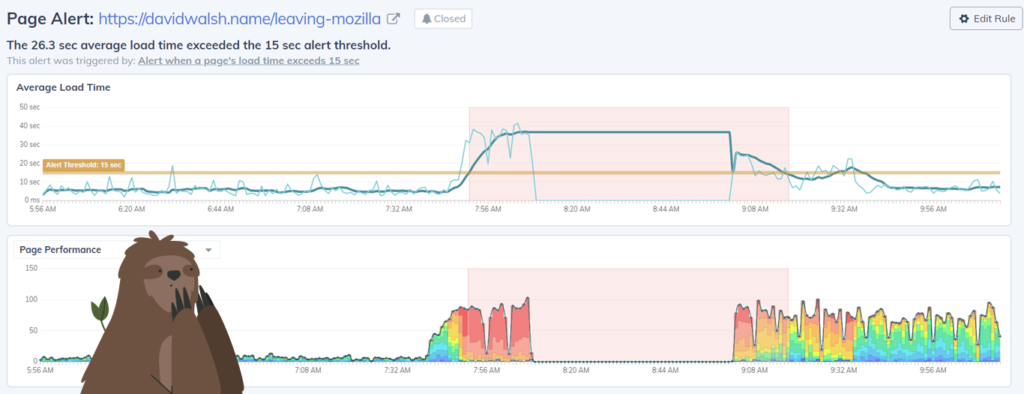
Earlier this month, David’s heartfelt posting about leaving Mozilla made the front page of Hacker News. Traffic increased by 800% to his already-busy website, which slowed and eventually failed under the pressure. Request Metrics monitors performance and uptime for David’s blog, and our metrics...
![Shoelace 2.0: A Forward-thinking Library of Web Components]()
Shoelace 2.0: A Forward-thinking Library of Web Components
A few years ago, I released a lightweight alternative to Bootstrap affectionately named Shoelace. Shoelace was small and fast because of its minimal design and pure CSS approach to styling. It used CSS custom properties extensively to enable customizations, even when loaded via...
-
![Vital Web Performance]()
Vital Web Performance
I hate slow websites. They are annoying to use and frustrating to work on. But what does it mean to be “slow”? It used to be waiting for document load. Then waiting for page ready. But with so many asynchronous patterns in use today, how do...
![Are You a Developer?]()
Are You a Developer?
“You’re not really a developer. Sooner or later people are going to realize you don’t know what you’re talking about. You’re just not good enough.”You’ve probably had thoughts like these at one point or another. You’ve never heard someone else tell you that you’re not a...
![Devising the Cloak of Invisibility in JavaScript]()
Devising the Cloak of Invisibility in JavaScript
Steganography. The art of hiding something right under your nose. For as long as humans have been alive, we’ve been trying to hide things — whether it’s our last slice of pizza or the location of a buried treasure. Do you remember the cool invisible lemon...

![Getting Started with GraphQL]()
Getting Started with GraphQL
GraphQL was developed by Facebook in 2012 to power up its mobile apps. Since open-sourcing GraphQL specification in 2015, it gained a lot of popularity and is now used by many development teams, including giants like GitHub, Twitter or Airbnb. Why so? And what exactly...
![Build a Decentralized Web Chat in 15 Minutes]()
Build a Decentralized Web Chat in 15 Minutes
In this 15 minute tutorial we're going to build a simple decentralized chat application which runs entirely in a web browser.All you will need is a text editor, a web browser, and a basic knowledge of how to save HTML files and open them in the browser.Older Posts