In this episode: David reveals his tree-falling-into-house nightmare, but quickly moves onto recent news, like the massive release of Dojo 2, EU privacy, service workers landing in all major browsers (finally Edge!), this tweet, and more!
Today we get to play amazing games on our super powered game consoles, PCs, VR headsets, and even mobile devices. While I enjoy playing new games these days, I do long for the retro gaming systems I had when I was a kid: the original Nintendo...
One of the worst kept secrets about AJAX on the web is that the underlying API for it, XMLHttpRequest, wasn't really made for what we've been using it for. We've done well to create elegant APIs around XHR but we know we can do better. Our effort to...
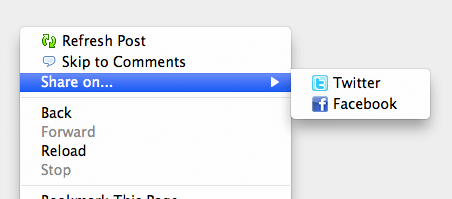
One of the hidden gems within the HTML5 spec is context menus. The HTML5 context menu spec allows developers to create custom context menus for given blocks within simple menu and menuitem elements. The menu information lives right within the page so...
Before you send your user to an unknown external website, why not provide them a screenshot of the site via a tooltip so they may preview the upcoming page? Here's how you can do just that using MooTools.
The MooTools JavaScript
The first step is to grab...