Override window.alert
For years the only bit of feedback web developers could get was via alert("{str}") calls. These days we have the web console but, in rare cases, we don't have a console and alert calls are our only window into a value at a given time.
One problem: if an alert sneaks into production code, your site looks like it's been hacked. Your site looks like it's malware! To prevent any of those issues, you can add this snippet to your production build:
window.alert = console.log
This tiny line of JavaScript could save your site from catastrophe. There are many cases for overriding native functionality and this is a great example!
![9 Mind-Blowing WebGL Demos]()
As much as developers now loathe Flash, we're still playing a bit of catch up to natively duplicate the animation capabilities that Adobe's old technology provided us. Of course we have canvas, an awesome technology, one which I highlighted 9 mind-blowing demos. Another technology available...
![Create Spinning Rays with CSS3: Revisited]()
![MooTools 1.2 Image Protector: dwProtector]()
Image protection is a hot topic on the net these days, and why shouldn't it be? If you spent two hours designing an awesome graphic, would you want it ripped of in matter of seconds? Hell no! That's why I've created an image...
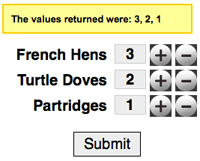
![Input Incrementer and Decrementer with MooTools]()
Chris Coyier's CSS-Tricks blog is everything mine isn't. Chris' blog is rock star popular, mine is not. Chris prefers jQuery, I prefer MooTools. Chris does posts with practical solutions, I do posts about stupid video-game like effects. If I...






it’s an interesting idea, and I’m not saying the world is perfect, but if instead of using this to avoid pushing debug code onto production, how would I go about testing for stuff like alerts and other weird edge cases
In older IE browsers the browser will crash if console.log is called when the debug window is closed. Will this work then?
override window.alert in IE for logggint using $.ajax to call WebService or REST API ?