O’Reilly Velocity Conference – New York
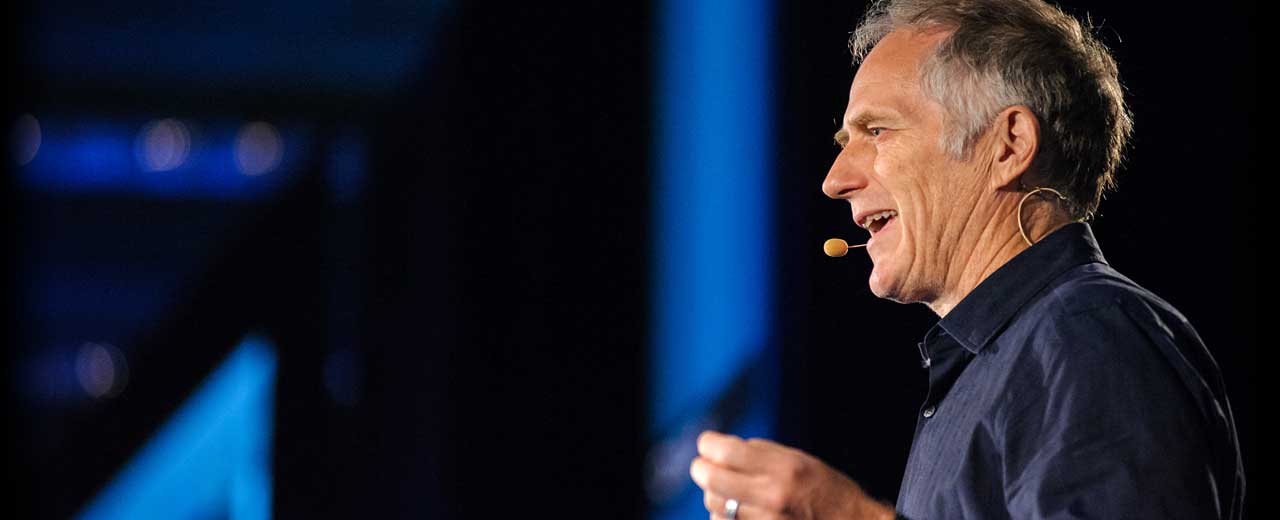
My favorite front-end conference has always been O'Reilly's Velocity Conference because the conference series has focused on one of the most undervalued parts of client side coding: speed. So often we're so excited that our JavaScript works that we forget that speed, efficiency, and performance are just as important.
The next Velocity event is coming up in New York, October 12-14. The best code speed conference is coming to one of the best cities in the world. Exciting stuff but what's better than an early registration and David Walsh Blog discount?!
20% Discount with 20DWalsh
Registration for Velocity New York is open! Register early for the best price on tickets and reserve your spot to learn all about web performance, DevOps, continuous delivery and more. Use code 20DWALSH to save 20% in addition to best price!
![Designing for Simplicity]()
Before we get started, it's worth me spending a brief moment introducing myself to you. My name is Mark (or @integralist if Twitter happens to be your communication tool of choice) and I currently work for BBC News in London England as a principal engineer/tech...
![Write Better JavaScript with Promises]()
You've probably heard the talk around the water cooler about how promises are the future. All of the cool kids are using them, but you don't see what makes them so special. Can't you just use a callback? What's the big deal? In this article, we'll...
![Cross Browser CSS Box Shadows]()
Box shadows have been used on the web for quite a while, but they weren't created with CSS -- we needed to utilize some Photoshop game to create them. For someone with no design talent, a.k.a me, the need to use Photoshop sucked. Just because we...
![Fixing sIFR Printing with CSS and MooTools]()
While I'm not a huge sIFR advocate I can understand its allure. A customer recently asked us to implement sIFR on their website but I ran into a problem: the sIFR headings wouldn't print because they were Flash objects. Here's how to fix...