Weekend Links – JavaScript Favelets, Prototype Cheat Sheet, Reverse IP Domain Check, Resizable Images, ICANN Domain Tasting
The Power of JavaScript Favelets
I use the PHP.net favelet that prompts for a function name and takes you to the PHP.net API page. They save a lot of time and don't clutter your Firefox menu bar.
http://techtracer.com/2008/01/27/the-power-of-javascript-favelets/
Prototype.js Cheat Sheet PDF
Downloading this PDF is a must for Prototype framework programmers.
http://thinkweb2.com/projects/prototype/prototype-1602-cheat-sheet/
Reverse IP Domain Check
Who else is hosted on your shared server? Go here, enter your domain, and find out!
http://www.yougetsignal.com/tools/web-sites-on-web-server/
Resizable Images
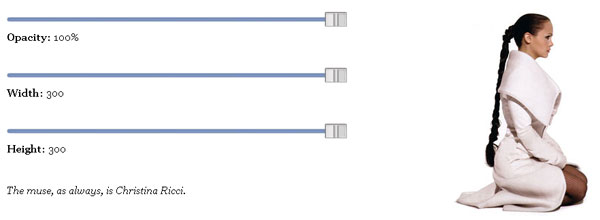
CSS Tricks shows you how to make your images resize with the text...and still look good.
http://css-tricks.com/resizeable-images-at-full-resolution/
Google Leads, ICANN Follows: Domain Tasters Can Now Eat Dirt
ICANN, who should have taken the first step against domain tasting, has decided to keep the ICANN fee for all domains so to try to prevent tasting.
http://arstechnica.com/news.ars/post/20080130-google-leads-icann-follows-domain-tasters-can-now-eat-dirt.html
![Introducing MooTools Templated]()
One major problem with creating UI components with the MooTools JavaScript framework is that there isn't a great way of allowing customization of template and ease of node creation. As of today, there are two ways of creating:
new Element Madness
The first way to create UI-driven...
![Conquering Impostor Syndrome]()
Two years ago I documented my struggles with Imposter Syndrome and the response was immense. I received messages of support and commiseration from new web developers, veteran engineers, and even persons of all experience levels in other professions. I've even caught myself reading the post...
![Facebook Sliders With Mootools and CSS]()
One of the great parts of being a developer that uses Facebook is that I can get some great ideas for progressive website enhancement. Facebook incorporates many advanced JavaScript and AJAX features: photo loads by left and right arrow, dropdown menus, modal windows, and...
![WebKit-Specific Style: -webkit-appearance]()
I was recently scoping out the horrid source code of the Google homepage when I noticed the "Google Search" and "I'm Feeling Lucky" buttons had a style definition I hadn't seen before: -webkit-appearance. The value assigned to the style was "push-button." They are buttons so that...






Thanks for reading my article. And a PHP.net favelet is really a good idea!