In this week's episode: Todd discusses his self-imposed ban from Twitter while David tries to fathom a day without feeling the importance of people liking his pithy tweets. The episode is saved by Maggie Pint, a Microsoft open source guru who also happens to be a momentjs maintainer and TC39 representative. I promise you'll learn more about dates and time than you ever thought you would! Enjoy!
My trip to Mozilla Summit 2013 was incredible. I've spent so much time focusing on my project that I had lost sight of all of the great work Mozillians were putting out. MozSummit provided the perfect reminder of how brilliant my colleagues are and how much...
With Firefox OS, asm.js, and the push for browser performance improvements, canvas and WebGL technologies are opening a world of possibilities. I featured 9 Mind-Blowing Canvas Demos and then took it up a level with 9 Mind-Blowing WebGL Demos, but I want to outdo...
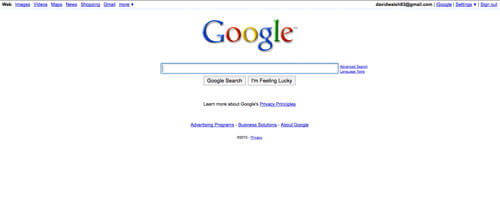
Google recently introduced an interesting effect to their homepage: the top left and top right navigation items don't display until you move your mouse or leave the search term box. Why? I can only speculate that they want their homepage as...
Last week I shared my MooTools Typewriter Class with you. It was pretty well received and I got a few feature requests that I've implemented including "backspacing" and character variance delays. I'm not going to explain the old code, so click here...