Convert Video to Grayscale
I'm a JavaScript fanatic but I've always been fascinated with media manipulation. Maybe it's because I've secretly always wanted to be a designer, but I'm fine with being able to manipulate art with software instead of create the art myself. One type of art I've always enjoyed was black and white (/grayscale) video.
To convert a video to black and white, you can utilize ffmpeg with a few simple arguments:
ffmpeg -i input.mp4 -vf hue=s=0 output.mp4
The preceding command turns this color video:
... to the following grayscale video:
If you were to search ffmpeg on this blog, you'd find dozens of tutorials about how amazing the tool is. Play around with ffmpeg and let me know what awesomeness you come up with!
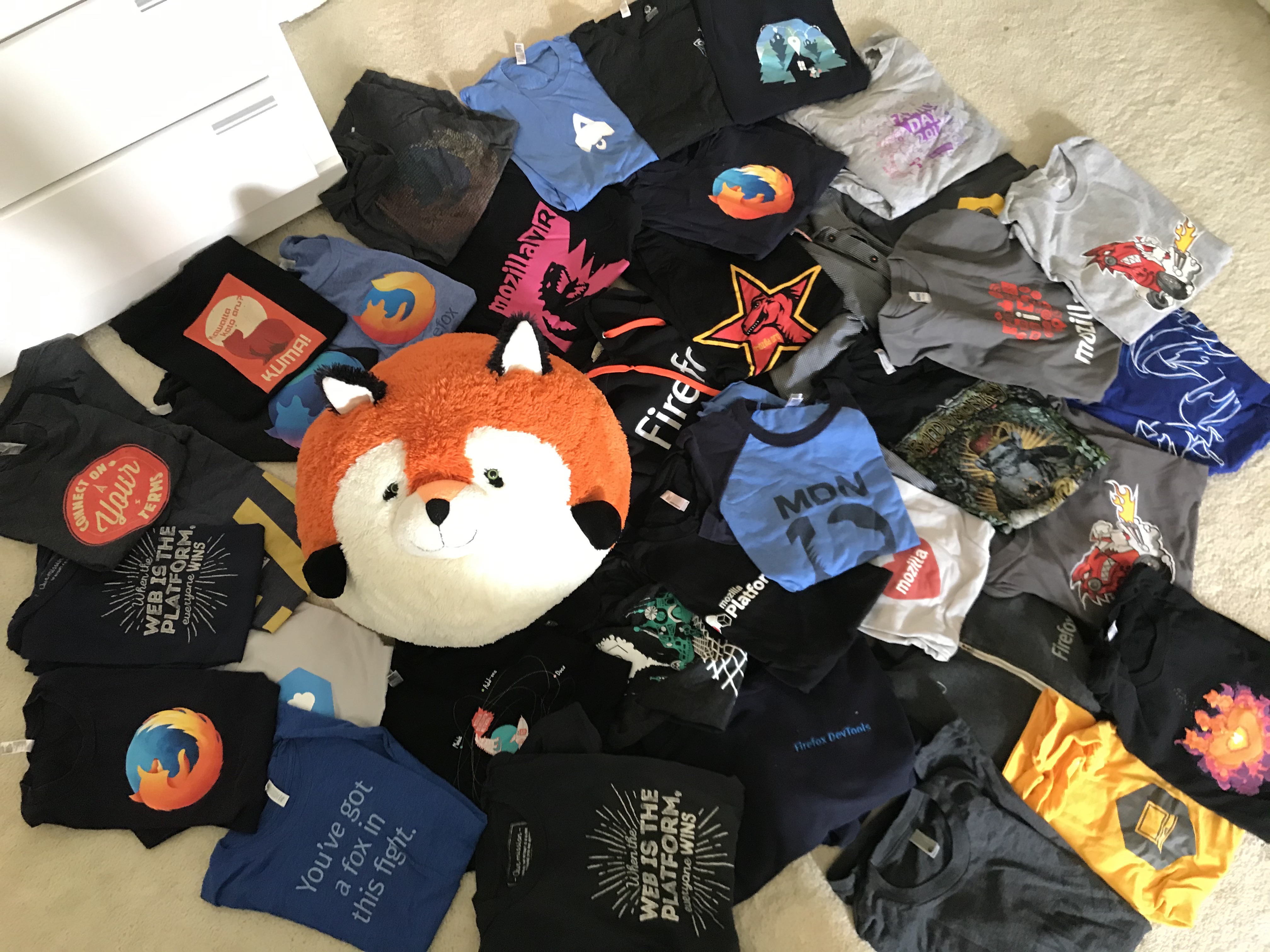
![39 Shirts – Leaving Mozilla]()
In 2001 I had just graduated from a small town high school and headed off to a small town college. I found myself in the quaint computer lab where the substandard computers featured two browsers: Internet Explorer and Mozilla. It was this lab where I fell...
![Responsive Images: The Ultimate Guide]()
Chances are that any Web designers using our Ghostlab browser testing app, which allows seamless testing across all devices simultaneously, will have worked with responsive design in some shape or form. And as today's websites and devices become ever more varied, a plethora of responsive images...
![iPhone-Style Passwords Using MooTools PassShark]()
Every once in a while I come across a plugin that blows me out of the water and the most recent culprit is PassShark: a MooTools plugin that duplicates the iPhone's method of showing/hiding the last character in a password field. This gem of...
![Using Opacity to Show Focus with jQuery]()
A few days back I debuted a sweet article that made use of MooTools JavaScript and opacity to show focus on a specified element. Here's how to accomplish that feat using jQuery.
The jQuery JavaScript
There you have it. Opacity is a very simple but effective...






Nice, ffmpeg seems to be quite handy!
Btw the same effect may be achieved on the client using CSS grayscale-filter, which is nowadays supported by any major browser (but IE). E.g. https://codepen.io/MattDiMu/pen/pBqQqR
Doing this on the client-side, however, will probably result in much larger file sizes than necessary, as grayscale videos offer much better compression. In your example the difference is 399kB vs 270kB.
I noticed the file size difference as well.
David, could you confirm that just adding
-vf hue=s=0reduced the file size by 129KB, there were no other transformations?Thanks
In my case, the file size dropped to 1/3 of original file.
Hey David! Since there is difference between BLACK AND WHITE filter and GRAYSCALE filter.
A truly black and white image would simply consist of two colors—black and white. Grayscale images are created from black, white, and the entire scale of shades of gray.
Is method you mentioned rather grayscale? Or rather black and white filter?